
HISTORY

Westfield's History

Westfield was founded by Quakers in 1834 and has grown from a small town to a city of more than 64,000 people.

Jump to questions
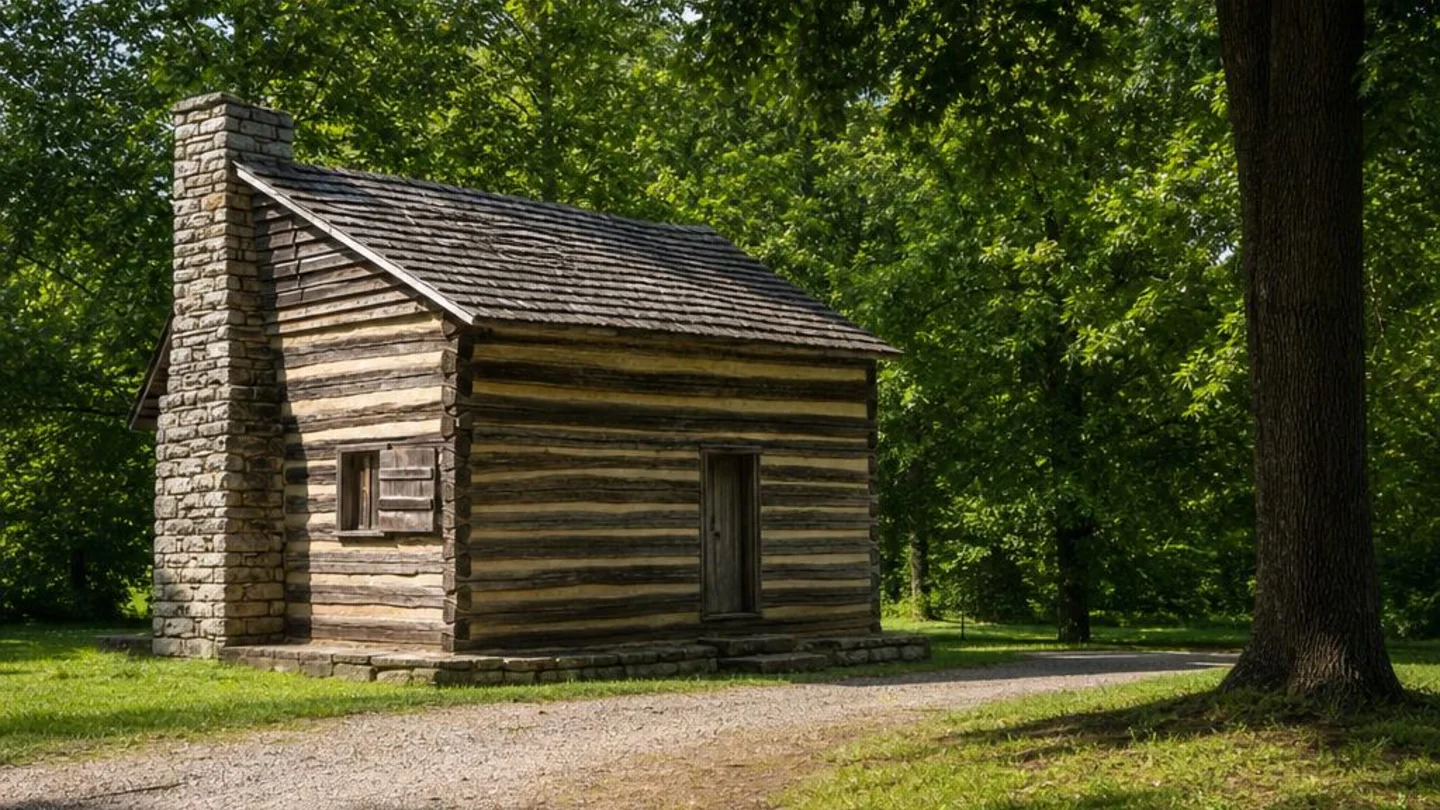
An old log cabin beside a path
At a glance

What Westfield is known for

The places and things that make Westfield what it is, each covered in more detail on this site.

  • Grand Park Sports Campus. A 400-plus-acre campus with 34 multipurpose fields and 26 diamonds. Read more →
  • Colts training camp. The Indianapolis Colts held training camp at Grand Park under a 10-year deal signed in 2017, with 2026 set as the last year. Read more →
  • Grand Junction Plaza. Downtown's 6.5-acre park on South Union Street, home to more than 160 city programs a year. Read more →
  • Westfield Farmers Market. Thursday evenings in season at Grand Junction Plaza. Read more →
  • Park Street Restaurant Row. The restaurants along Park Street. Read more →
  • Quaker roots and the Underground Railroad. North Carolina Quakers founded Westfield in 1834, and the town is believed to have been planned as an Underground Railroad stop. Read more →
  • The Rhodes family marker. A state marker at Asa Bales Park tells how the Rhodes family escaped recapture in 1844. Read more →
  • Westfield-Washington Historical Society. Runs a museum at 130 Penn St and the 1835 Barker Log Cabin. Read more →
  • Monon Trail. 7.92 paved miles through Westfield, from 146th Street to 216th Street. Read more →
  • Midland Trace Trail. A former rail corridor linking Westfield and Noblesville. Read more →
  • Natalie Wheeler and Cool Creek trails. Paved links from Grand Junction Plaza south to Cool Creek Park and 146th Street. Read more →
  • Asa Bales Park. Skate park, playground, fitness court and the Rhodes Family Historic Marker. Read more →
  • Quaker Park. Splash park, playground and access to the Monon and Midland Trace trails. Read more →
  • Simon Moon Park. Fishing pond and pier, sledding hill and kayak rentals. Read more →
  • Freedom Trail Park. A city park with fields you can rent. Read more →
  • MacGregor Park. Westfield Washington Township's 96-acre nature park. Read more →
  • Cool Creek Park and Nature Center. A 90-acre county park with 4 miles of wooded trails. Read more →
History

The story of Westfield

Westfield was founded on May 6, 1834, by North Carolina Quakers Asa Bales, Ambrose Osborne and Simon Moon. Many of the Quakers who settled here opposed slavery, and many offered havens to people escaping to Canada; the town is believed to have been planned as a stop on the Underground Railroad.

In 1844, Singleton Vaughn came to reclaim the Rhodes family, who had escaped slavery in Missouri and settled north of town. Neighbors and a crowd stepped in, the family escaped before reaching Westfield, and in 1845 a jury in Vaughn v. Williams found the family had already been freed.

Westfield incorporated as a town in 1848 and stayed small for more than a century: the census counted 849 people in 1950. Growth came fast after 2000. Westfield became a city on January 1, 2008, its population reached 30,068 in 2010, and Grand Park opened in 2014.

Today the 2025 special census counts 64,407 residents. The Westfield-Washington Historical Society keeps the town's story at its museum on Penn Street and the reconstructed 1835 Barker Log Cabin.

Key dates

Westfield timeline

Key moments in the town's story. Each is explained and sourced in the questions below.

  1. 1834Quakers Asa Bales, Ambrose Osborne and Simon Moon found Westfield.
  2. 1844The Rhodes family escapes recapture.
  3. 1845Vaughn v. Williams jury finds the Rhodes family had been freed.
  4. 1848Westfield incorporates as a town.
  5. 1995Historical society forms; Union High Academy Historic District listed.
  6. 1997Quaker Park opens, honoring the town's Quaker heritage.
  7. 2008Westfield becomes a city; Rhodes Family marker installed.
  8. 2014Grand Park opens.
  9. 2017Colts sign a 10-year training camp deal at Grand Park.
  10. 2025Special census counts 64,407 people.
Local questions, useful answers

What people ask about history

Select a question to open the answer. Each one links to the organization that keeps the details current.

HistoryWho founded Westfield, and when?

Westfield was founded on May 6, 1834, by North Carolina Quakers Asa Bales, Ambrose Osborne and Simon Moon.

Westfield incorporated as a town in 1848 and became a city on January 1, 2008. Quaker Park was named in 1997 to honor the town's Quaker heritage.

Learn More
Indiana (Wikipedia)Westfield
City of WestfieldQuaker Park Parks

Reviewed November 2026

HistoryWhat role did Westfield's Quakers play in the Underground Railroad?

Westfield's Quakers opposed slavery, and many offered havens to people escaping to Canada; the town is believed to have been planned as a stop on the Underground Railroad.

Quakers moved from the Carolinas and settled in Westfield in the 1830s. Wikipedia notes that many families of the Religious Society of Friends and the Wesleyan Methodist Church supported the cause, and that when laws against aiding escaped slaves grew harsher, part of the Westfield Quaker Friends Meeting House split off into the Anti-Slavery Friends meeting.

Learn More
City of WestfieldQuaker Park
Indiana (Wikipedia)Westfield

Reviewed November 2026

HistoryWhat happened in the Rhodes family incident?

In 1844, a crowd stopped the man taking the Rhodes family, who had escaped slavery, to trial, and the family escaped; a state marker at Asa Bales Park tells the story.

Sam, Maria and Amy escaped from Missouri in 1837 and settled six miles north of Westfield in 1839 under the name Rhodes. In 1844, Singleton Vaughn arrived to claim them, and the family resisted until neighbors arrived. Vaughn agreed to take them to Noblesville for trial, but a crowd stopped him and demanded they go to Westfield instead.

The wagon driver sped toward Westfield, and the family escaped before it reached town. Vaughn sued members of the crowd. In Vaughn v. Williams in 1845, the jury found the defendants not guilty, ruling that the family had been freed when a previous owner moved them to Illinois, a free state.

The marker was installed in 2008 by the Indiana Historical Bureau and partners, including the Town of Westfield.

Learn More
Indiana Historical BureauRhodes Family Incident marker
City of WestfieldAsa Bales Park

Reviewed November 2026

HistoryWho keeps Westfield's history?

The Westfield-Washington Historical Society, formed in 1995, collects and displays Westfield's artifacts, papers and photos and runs a museum at 130 Penn St.

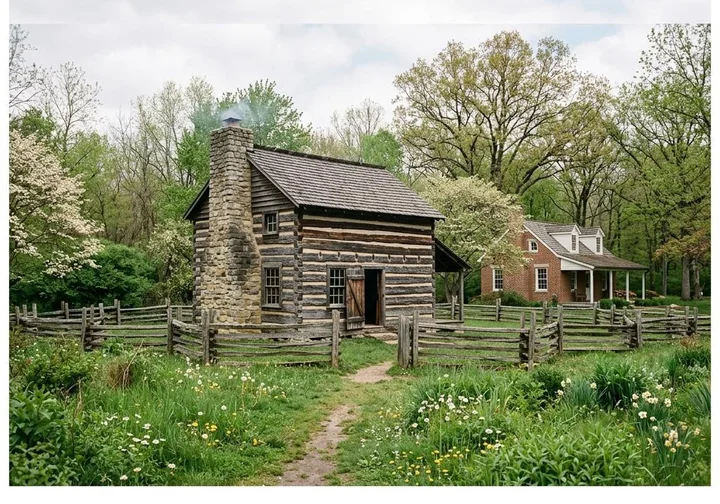
Its first museum opened in 2008 in the town's old Fire Station and City Hall at 145 S. Union St. A new museum opened in 2017 upstairs in the old Methodist Church, which is the current City Hall building, and the reconstructed 1835 Barker Log Cabin opened just east of City Hall in 2023.

The society also educates residents through publications, displays, programs, tours, historical markers and school activities.

Reviewed November 2026

HistoryWhen did Grand Park open, and what about Colts training camp?

Grand Park opened in 2014, and the Indianapolis Colts signed a 10-year deal in 2017 to hold training camp there; 2026 was set as the final Colts camp at Grand Park.

The campus hosted the 2016 Big Ten Conference Men's Soccer Tournament. Grand Park's own site lists more than 400 acres, 34 multipurpose fields and 26 diamonds.

Learn More
Indiana (Wikipedia)Westfield
Droplight Grand Park Sports CampusAbout Grand Park

Reviewed November 2026

HistoryHow fast has Westfield grown?

Westfield grew from 9,293 people in 2000 to 30,068 in 2010, then 46,410 in 2020 and 64,407 in the 2025 special census.

For most of its history Westfield was a small town: the census counted 1,738 people in 1850 and just 849 in 1950. Growth sped up after 2000, helped by annexations in southern Washington Township.

Learn More
Indiana (Wikipedia)Westfield

Reviewed November 2026

HistoryWhat historic places can I visit in Westfield?

Visit the Rhodes Family marker and Anti-Slavery Cemetery at Asa Bales Park, the historical society's museum and the 1835 Barker Log Cabin on Penn Street, and Old Friends Cemetery Park on South Union Street.

Liberty Park's gazebo was built from materials reclaimed from an 1830s barn that once stood off 146th Street. The Union High Academy Historic District was listed on the National Register of Historic Places in 1995.

Reviewed November 2026

HistoryHow did some of Westfield's parks get their names?

Quaker Park honors the town's Quaker heritage, Raymond Worth Park is named for a man whose farm became the park, and Armstrong Park is named for the Armstrong family.

Raymond Worth and his wife Carolyn bought the very first home Ralph Wilfong sold, then lived for years at 159th Street and Little Eagle Creek. After Raymond died, Wilfong Land Companies bought his farm, and at Carolyn's request it donated the land to the City of Westfield in 2003 in his name.

Armstrong Park is named for the Armstrong family.

Reviewed November 2026

Spot something wrong or out of date? Let us know and we will check it against the source.